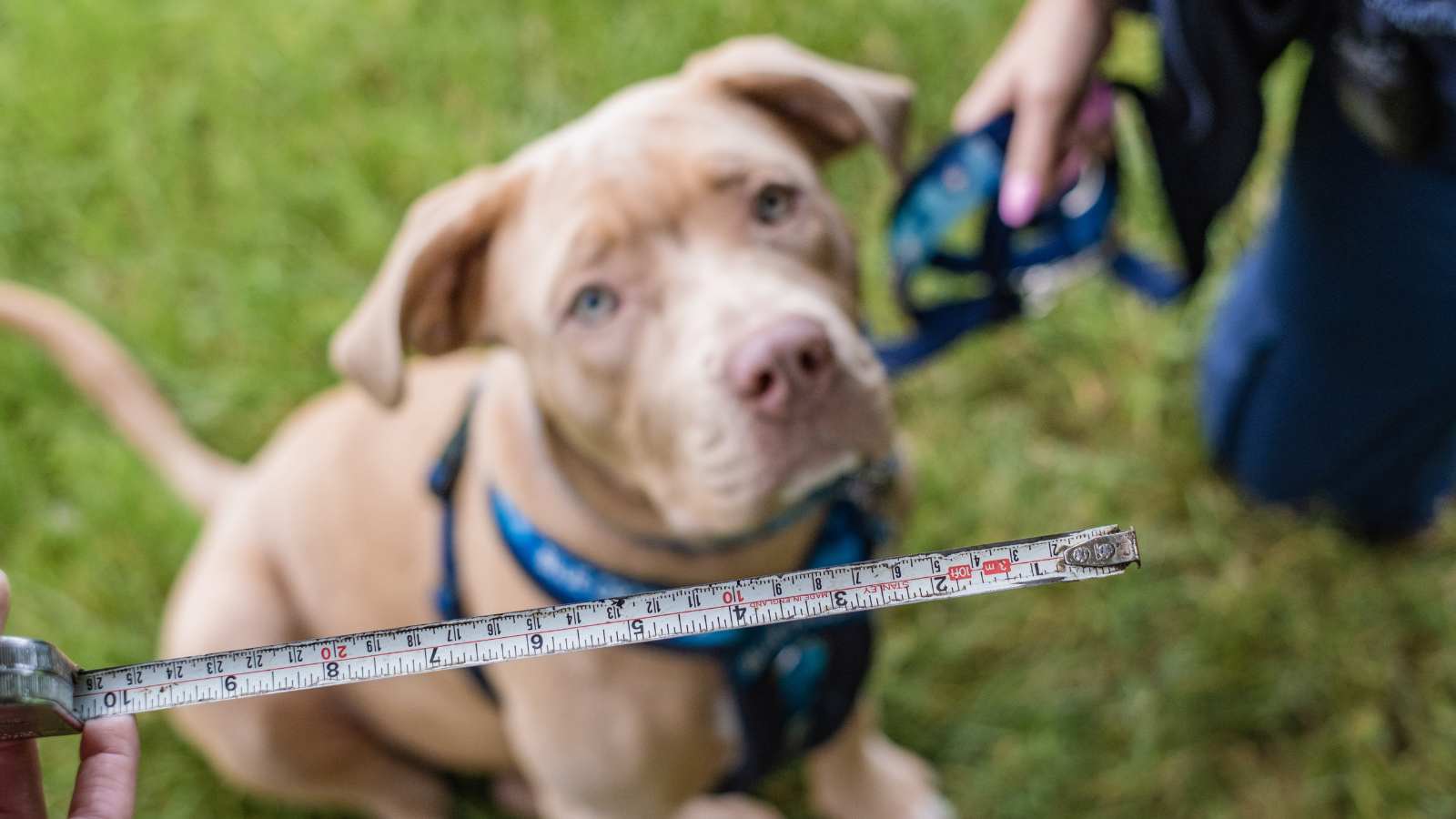
Introduction to the XL Bully Ban
The recent introduction of the XL Bully ban in the UK has sparked significant debate among dog owners, potential pet parents, and insurance providers alike. This legislation aims to address concerns over public safety and responsible dog ownership by regulating certain breeds deemed dangerous. As a result, understanding how this ban affects insurance policies for these dogs is crucial for current and prospective owners who wish to navigate this complex landscape.
Understanding the Dangerous Dogs Act
The Dangerous Dogs Act (DDA) was first enacted in 1991 as a response to rising incidents involving aggressive dogs. It specifically identifies breeds that are prohibited or controlled, including those classified as dangerous due to their physical attributes and behavior tendencies.
The XL Bully, specifically referred to as the American Bully XL, has recently been under scrutiny due to its size and strength, which can pose risks if not properly trained and socialized. Under the DDA, owning such a breed requires meeting stringent guidelines and ensuring that adequate safety measures are in place.
The Role of Insurance in Dog Ownership
Insurance plays an integral role in responsible dog ownership, particularly when it comes to breeds categorized under the DDA. Dog insurance can help cover liabilities arising from accidents or injuries caused by pets. Furthermore, it provides peace of mind to owners who may be concerned about the implications of owning a breed that falls under scrutiny.
Liability insurance becomes even more relevant as public sentiment grows increasingly cautious about larger breeds like the XL Bully. In fact, many landlords and housing agencies now require proof of insurance before allowing tenants to keep certain breeds.
What is Pet Business Insurance?
Pet Business Insurance is designed for businesses providing services related to animals, such as grooming, training, or boarding facilities. However, it also offers coverage options for individual pet owners who wish to protect themselves against potential liabilities associated with owning specific breeds.
For dog owners facing new regulations like those imposed by the XL Bully ban, Pet Business Insurance becomes a valuable asset. It often includes liability coverage for injuries caused by dogs, veterinary expenses due to accidents, and even legal fees if a dispute arises concerning a dog’s behavior or required compliance with local laws.
Implications of the XL Bully Ban on Insurance Policies
With the implementation of the XL Bully ban, insurance providers have begun reassessing their policies regarding DDA dogs. Many insurers have taken a cautious approach by either increasing premiums or restricting coverage for breeds classified as dangerous.
1. Increased Premiums: Insurers may raise premiums based on perceived risk factors associated with owning an XL Bully.
2. Exclusions: Some policies might outright exclude coverage for specific breeds or impose additional conditions.
3. Availability: Certain companies may choose not to offer policies for DDA dogs at all, leaving owners searching for alternatives.
Understanding these implications is essential for anyone considering bringing an XL Bully into their home or maintaining ownership amidst changing regulations.
Types of Coverage Available for DDA Dogs
When exploring insurance options for DDA dogs like the XL Bully, it is important to consider various types of coverage that may be available:
1. Liability Coverage: This is perhaps the most critical type of coverage for dog owners. It protects against claims arising from injuries or damages caused by a dog.
2. Accident Coverage: This can help cover medical expenses if your dog is injured in an accident.
3. Theft or Loss Coverage: Should your dog be stolen or go missing, this type of coverage can assist with recovery efforts.
4. Veterinary Expenses: Many policies include provisions for veterinary care related to accidents or illnesses that may arise from owning a specific breed.
By understanding these different types of coverage, owners can make informed decisions about their insurance needs.
Navigating the Insurance Market
Finding suitable insurance when you own a DDA dog can prove challenging but not impossible. Here are some steps that can help navigate this process effectively:
1. Research Insurers: Not all insurance companies have the same policies regarding DDA dogs. Researching various providers can help identify those willing to cover XL Bullies.
2. Compare Quotes: Obtaining multiple quotes allows you to assess pricing structures and available coverage options.
3. Understand Policy Details: Carefully read through policy documents to ensure you fully comprehend any exclusions or limitations regarding breed-specific clauses.
4. Consult Experts: Speaking with an insurance broker knowledgeable about pet business insurance can provide valuable insights tailored to your unique needs.
By following these steps, dog owners can better position themselves within an evolving regulatory environment.
Case Studies: Real-Life Impacts of the Ban
To understand the practical implications of the XL Bully ban and related insurance challenges, consider real-life case studies demonstrating how various individuals navigated this landscape.
Case Study 1:
A family living in London adopted an XL Bully before the ban was legislated but struggled to find an insurer willing to cover them afterward due to increased public scrutiny around aggressive behavior associated with larger breeds.
Case Study 2:
A dog training business specializing in large breed training found their premiums rose significantly after the announcement of the ban; however, they were able to leverage their training credentials to negotiate better terms with insurers focused on responsible ownership practices.
These examples illustrate how diverse circumstances surrounding ownership and business operations can influence insurance availability and costs post-ban.
The Future Landscape of Dog Ownership in the UK
As legislation continues evolving around breeds like the XL Bully, it is essential for current and prospective dog owners to remain informed about upcoming changes that could affect their responsibilities and liabilities.
Increased awareness surrounding responsible breeding practices may lead insurers toward offering more tailored policies that reflect an owner’s commitment to training and socialization rather than solely focusing on breed classification.
Additionally, advocacy groups may emerge championing more nuanced approaches towards managing dog behavior through education rather than blanket bans on specific breeds—potentially reshaping public sentiment over time.
The relationship between insurance providers and dog owners will likely continue shifting as society reassesses its stance on various breeds deemed dangerous under current laws.
Final Considerations for Dog Owners
Owning an XL Bully amidst ongoing legislative changes necessitates careful consideration and proactive measures from prospective owners. Understanding how these developments impact pet business insurance will be vital for ensuring both compliance with local regulations and protection against liabilities.
As you embark on your journey as a responsible dog owner:
1. Stay updated on relevant legislation affecting your breed.
2. Explore all available insurance options while comparing providers diligently.
3. Invest time in proper training and socialization techniques.
4. Engage with community resources aimed at promoting safe practices among large breed owners.
By taking these steps today, you equip yourself not only with knowledge but also with tools essential for fostering positive experiences as you navigate your responsibilities as an owner while enjoying companionship with your beloved XL Bully in years to come.