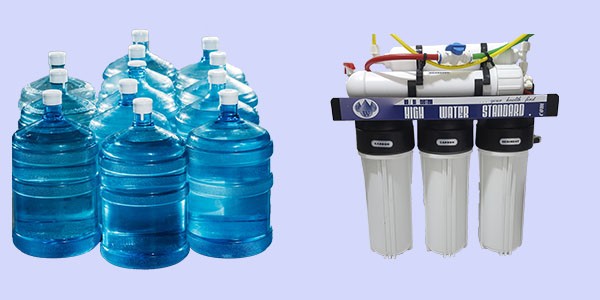
Clean drinking water is a daily necessity, but filtered versus bottled is the decision that’s generally up for grabs. Both are convenient, both ensure safety, but quality, cost, and environmental impact are where they differ greatly. For households making careful choices, it’s time to consider: which really performs better for everyday life?
The Charm of Bottled Water
Bottled water gained popularity as an on-hand solution for safe drinking. It is accessible, easy to come by, and commonly considered cleaner or fresher than tap water. For people who travel to or reside in regions of spotty water supplies, bottled water appears to be the best-known alternative.
But the advantages are cut short if you look at it in closer inspection. Bottled water is expensive in the long run compared to home water filtration systems. A single bottle may not be too pricey, but regular shopping trips add up to a massive yearly expense.
And then there is the green question. Tens of millions of plastic water bottles end up in landfills or as litter in oceans every year. Recycling rates are tiny, and producing plastic consumes massive energy and fossil fuels. Convenient as bottled water may be, it has a legacy that lasts.
The Case for Filtered Water
Filtered water, however, is a green, economical choice. A water filter eliminates contaminants like chlorine, heavy metals, and microplastics without destroying helpful minerals. The outcome is cleaner, better-tasting water directly from the faucet.
Once the filter system is installed, the cost is minimal. Instead of buying endless plastic water bottles, households merely exchange cartridges from time to time. This equates to a considerable saving over the period of a year compared to buying bottled water.
On the health front, filters allow you to know what is actually being removed from your water. Unlike bottled water, which may vary from one source and brand to another, filtration provides consistency. For most households, such assurance is enough to make the switch.
Everyday Practicality
At the lifestyle level, filtered water integrates easily with daily habits. It’s always accessible, whether it’s to fill a kettle, boil pasta, or to pick up a refillable bottle before leaving for work. Bottled water supply is reliant on ongoing buying and storage, which can be a hassle for larger families.
It also improves the taste. Individuals can tell the difference if chlorine or metallic impurities are eliminated. Children will also consume more water if it tastes better, which brings about improved drinking habits.
Environmental Responsibility
One of the strongest reasons is sustainability. With each use of filtered water as a choice over bottled water, one less plastic bottle is on its way to the wastebasket. Multiply that by millions of households and the effect is overwhelming.
Manufacturing, transporting, and disposing of bottled water all require huge carbon emissions. Filtered systems, on the other hand, contribute a tiny fraction of the environmental cost over their life cycle. This makes the option more in line with worldwide initiatives to reduce waste and combat climate change.
Which One Wins
If one considers overall benefits, filtered water is better than bottled water. It is inexpensive, environmentally friendly, and of high quality. Even though bottled water can be used for periodic crises or out-of-town trips, it is not ideal for regular consumption.
Briefly, filtered water triumphs over bottled water in the bigger scheme: health, cost savings, and eco-impact. For most households, it strikes the best possible comfort/duty balance.
A Small Shift, A Lasting Effect
The switch from filtered to bottled water may seem like a minor decision, but it’s important. We’ve already made changes in our beverages at home; using bubble machines or coffee machine filters is another step toward controlling what we consume.
Companies like Kul produce filtration systems that make this process easy, yet plan it well. These solutions allow people to reach clean water without the downsides of plastic dependency.
Final Thoughts
In the end, it comes down to values and convenience. Bottled water offers instant convenience but at a high cost to the wallet and the planet. Filtered water, however, is a green solution that fulfils daily requirements without wastage.
For progressive families, there’s no question. It costs money to buy a filter, but it’s not about taste or health, it’s about instilling healthier habits for generations to come.