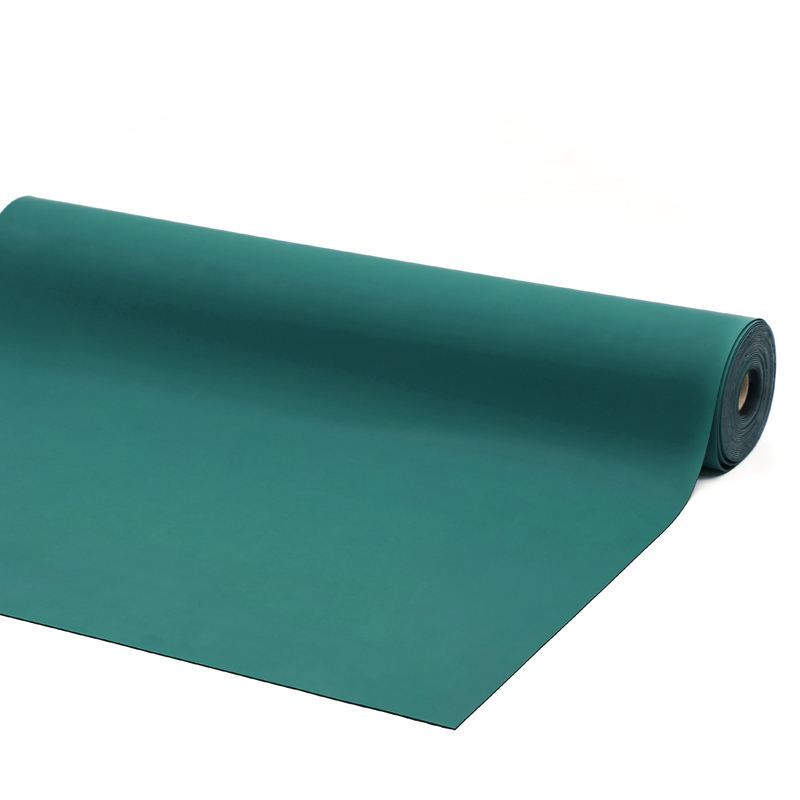
Safety mat regulations establish minimum standards to protect employees, customers, and visitors from hazards related to slips, trips, and falls in workplaces and other environments. These regulations are essential for reducing accidents that can result in serious injuries or fatalities. Compliance with safety mat regulations is both a legal requirement and an ethical responsibility for employers.
Organizations that invest in safety mats meeting established standards demonstrate commitment to employee welfare and promote workplace safety culture. This approach improves workplace safety, increases employee morale, and enhances productivity. When workers feel secure in their environment, they can concentrate on their tasks without concern for potential hazards, which benefits organizational performance.
Types of Safety Mats
Safety mats come in various types, each designed to address specific hazards and environments. One of the most common types is anti-slip mats, which are engineered to provide traction on slippery surfaces. These mats are often made from materials such as rubber or vinyl and feature textured surfaces that enhance grip.
They are particularly useful in areas prone to spills, such as kitchens or industrial settings, where water or oil can create hazardous conditions. Another type of safety mat is the impact-absorbing mat, which is designed to cushion falls and reduce the risk of injury. These mats are typically used in playgrounds, gyms, and other areas where individuals may fall from heights.
Made from materials like foam or rubber, impact-absorbing mats can significantly decrease the severity of injuries by dissipating the force of impact. Additionally, there are specialized mats for specific applications, such as electrical safety mats that provide insulation against electrical shocks or ergonomic mats that reduce fatigue for workers who stand for extended periods. In more demanding environments, businesses may require safety mats for mining and heavy industry to withstand extreme conditions and provide reliable protection.
Understanding Safety Mat Standards and Requirements
Safety mat standards and requirements are established by various organizations and regulatory bodies to ensure that mats provide adequate protection against hazards. In the United States, organizations such as the American National Standards Institute (ANSI) and the Occupational Safety and Health Administration (OSHA) set forth guidelines that manufacturers must follow when producing safety mats. These standards cover aspects such as material composition, slip resistance, thickness, and durability.
For instance, ANSI A1264.2 outlines criteria for slip resistance testing, specifying how mats should be evaluated under different conditions to determine their effectiveness in preventing slips. Compliance with these standards is essential for manufacturers to ensure that their products are safe for use in various environments. Additionally, organizations must be aware of local regulations that may impose stricter requirements than national standards.
Understanding these regulations is vital for businesses to avoid legal repercussions and ensure the safety of their employees.
Benefits of Complying with Safety Mat Regulations
Complying with safety mat regulations offers numerous benefits that extend beyond mere legal compliance. One of the most significant advantages is the reduction in workplace accidents. By utilizing mats that meet safety standards, organizations can significantly decrease the incidence of slips, trips, and falls, which are among the leading causes of workplace injuries.
This reduction not only protects employees but also minimizes costs associated with medical claims, workers’ compensation, and lost productivity. Furthermore, compliance with safety mat regulations can enhance an organization’s reputation. Companies that prioritize safety are often viewed more favorably by clients, customers, and potential employees.
A strong safety record can serve as a competitive advantage in attracting talent and retaining customers who value corporate responsibility. Additionally, organizations that demonstrate a commitment to safety may benefit from lower insurance premiums, as insurers often reward businesses with robust safety programs.
Common Mistakes to Avoid When Choosing Safety Mats
When selecting safety mats, organizations often make several common mistakes that can compromise safety and effectiveness. One prevalent error is failing to assess the specific needs of the environment where the mats will be used. For example, a mat suitable for a dry indoor area may not provide adequate traction in a wet or oily environment.
It is essential to consider factors such as foot traffic levels, exposure to moisture or chemicals, and the type of footwear typically worn by employees when choosing safety mats. Another mistake is overlooking the importance of proper testing and certification. Some manufacturers may claim their products meet safety standards without providing verifiable evidence.
Organizations should seek out mats that have been tested by independent laboratories and certified according to recognized standards. This diligence ensures that the chosen mats will perform as expected and provide the necessary protection against hazards.
Tips for Proper Installation and Maintenance of Safety Mats
Proper installation and maintenance of safety mats are critical to ensuring their effectiveness over time. When installing safety mats, it is essential to follow the manufacturer’s guidelines closely. This includes ensuring that mats are laid flat without any wrinkles or gaps that could create tripping hazards.
Additionally, mats should be secured in place using appropriate adhesives or fasteners if necessary, particularly in high-traffic areas where movement could displace them. Maintenance is equally important in preserving the integrity of safety mats. Regular cleaning is essential to remove dirt, debris, and spills that could compromise slip resistance.
Depending on the material, some mats may require specific cleaning agents or methods to avoid damage. Furthermore, periodic inspections should be conducted to identify signs of wear or damage, such as cracks or tears. Addressing these issues promptly can prevent accidents and extend the lifespan of the mats.
Ensuring Compliance with Safety Mat Regulations in the Workplace
Ensuring compliance with safety mat regulations requires a proactive approach from employers. First and foremost, organizations should conduct a thorough risk assessment to identify areas where safety mats are needed. This assessment should consider factors such as foot traffic patterns, potential hazards, and existing safety measures in place.
Once high-risk areas have been identified, employers can select appropriate mats that meet regulatory standards. Training employees on the importance of safety mats and proper usage is another critical step in ensuring compliance. Workers should be educated about the specific hazards present in their environment and how safety mats can mitigate those risks.
Additionally, organizations should establish a routine for monitoring compliance with safety mat regulations, including regular audits and inspections to ensure that mats remain in good condition and continue to meet required standards.
Resources for Staying Informed about Safety Mat Regulations
Staying informed about safety mat regulations is essential for organizations committed to maintaining a safe workplace. Numerous resources are available for employers seeking up-to-date information on regulations and best practices. Government agencies such as OSHA provide comprehensive guidelines and resources related to workplace safety standards, including those pertaining to safety mats.
Industry associations also play a vital role in disseminating information about safety mat regulations. Organizations like the National Safety Council (NSC) offer training programs, webinars, and publications focused on workplace safety topics. Additionally, manufacturers of safety mats often provide educational materials outlining compliance requirements and best practices for installation and maintenance. For those interested in workplace culture and branding, exploring modern graphic streetwear can also inspire creative uniform or merchandise ideas that align with a company’s identity.
By leveraging these resources, employers can ensure they remain compliant with evolving regulations while fostering a culture of safety within their organizations.
Related posts:


 Versatile Hairstyles with Clip-In Extensions: From Casual to Glamorous
Weaving Enchantment: How Festive Fashion is Being Redefined By Short Chikankari Kurtis
Versatile Hairstyles with Clip-In Extensions: From Casual to Glamorous
Weaving Enchantment: How Festive Fashion is Being Redefined By Short Chikankari Kurtis